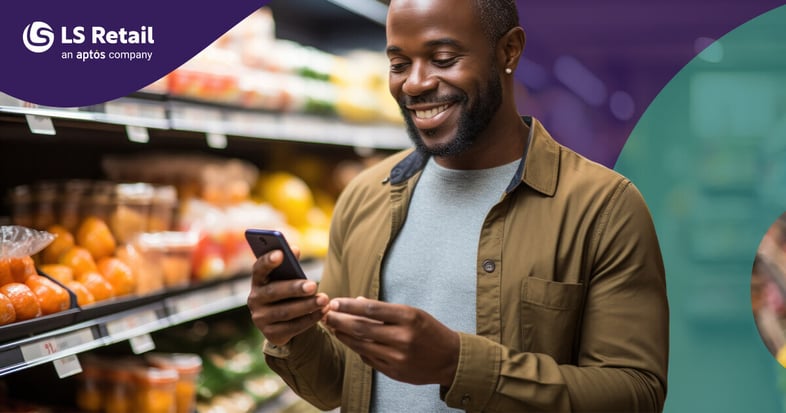
U.S. grocery shopping is becoming increasingly connected. Shoppers still rely heavily on physical stores, but digital tools are becoming part of the journey before they even walk through the door.
Today, 77% of U.S. grocery shoppers use digital technology before shopping, while 71% use it while shopping. That shift is changing what shoppers expect from the grocery store. They want convenient ways to find products, access deals, check information, manage their shopping, and move between digital and physical channels without friction.
At the same time, grocers are looking beyond the traditional supermarket model. Fresh and prepared food are becoming bigger traffic drivers, private brands are gaining importance, online and in-store shopping are increasingly connected, and AI is starting to take shape in daily operations.
Here are the key trends shaping U.S. grocery retail.
1. Value gets more targeted and data-driven
With shoppers paying closer attention to what they spend, value remains a central focus for U.S. grocers. But value is no longer simply about lowering prices.
Retailers are combining competitive pricing with targeted promotions, loyalty rewards, personalized offers, and private-label products to give shoppers more ways to stretch their budgets. Private-label products are also entering a new phase of growth as retailers expand their ranges and consumers increasingly look for quality at a lower price.
Doing this effectively means knowing what sells, where it sells, and what different shoppers respond to. Accurate sales, inventory, customer, and pricing data can help retailers identify demand, decide where to invest, tailor offers, protect margins, and make better decisions about what to stock.
2. Food service plays a bigger role in the grocery store
Fresh food has always been important to grocery, but fresh and prepared foods are taking on a bigger role in how stores attract shoppers and differentiate themselves. Grocers are expanding areas such as deli, bakery, prepared meals, grab-and-go, cafés, and other foodservice offerings, giving shoppers more reasons to visit and more ways to buy food while they are there.
According to FMI, 77% of food retailers said they planned to increase the space allocated to foodservice, including fresh-prepared options. Expanding these offerings means managing ingredients, recipes, production, pricing, promotions, inventory, staffing, and sales alongside traditional grocery operations.
As foodservice becomes a bigger part of the grocery business, retailers need technology that can keep pace with the added complexity. Teams need a clear view of what's available, what needs to be prepared, and what's selling across both foodservice and traditional grocery, so they can manage both sides of the operation effectively.
3. Online and in-store shopping merge into one journey
The distinction between online and in-store grocery shopping is becoming less relevant. Shoppers increasingly move between channels depending on what they're buying, how quickly they need it, and what's most convenient at the time. Online grocery continues to grow, while the physical store remains central to the shopping journey.
Online food sales in the U.S. jumped nearly 19% last year, according to NIQ. A shopper might browse products online, check a promotion in an app, visit a store to choose fresh produce, add items to their basket while they're there, and use delivery or Click and Collect for another trip.
Digital and physical channels are increasingly part of the same shopping journey. Making these channels work together means keeping product information, prices, promotions, customer data, and inventory consistent whether a shopper is browsing online, placing an order, or standing in an aisle.
The opportunity isn't to move shoppers from stores to digital. It's to make the two work as one connected experience.
4. AI tackles specific grocery needs
AI is starting to take on practical tasks across grocery operations, including demand forecasting, replenishment, product recommendations, search, personalized promotions, and employee support. McKinsey's State of Grocery in North America identifies AI as one of the key technologies being adopted across both customer-facing and operational areas.
Kroger shows what this can look like on the customer-facing side. Its AI shopping assistant can help shoppers plan meals, find recipes, and build a cart around their budget or dietary needs. Shoppers can also upload a recipe card or shopping list, and the assistant identifies the relevant products and creates a cart ready for review.
The example highlights where AI can be particularly useful in grocery: applying existing product and business information to solve a specific problem and make a task easier for shoppers or employees.
5. Connected operations lay the foundation for modern grocery
The trends reshaping grocery retail are putting new demands on how businesses operate. As grocers add new ways to shop, new services, and new technology, teams need to be able to work from the same picture of what is happening across the business. When different parts of the operation work in isolation, it becomes harder to respond quickly, make informed decisions, and deliver a consistent experience.
A single, unified platform brings sales, inventory, products, pricing, promotions, customers, and operations together, giving each part of the business access to the information it needs. With this foundation in place, grocers can add new capabilities without creating another disconnected process, connect digital and physical operations, and roll out new innovations across their store network as their needs change.
Keep pace with changing shopper expectations. Contact us to see how LS Central can help you connect your grocery operations, respond to demand, and give your teams the tools to run your business more effectively.