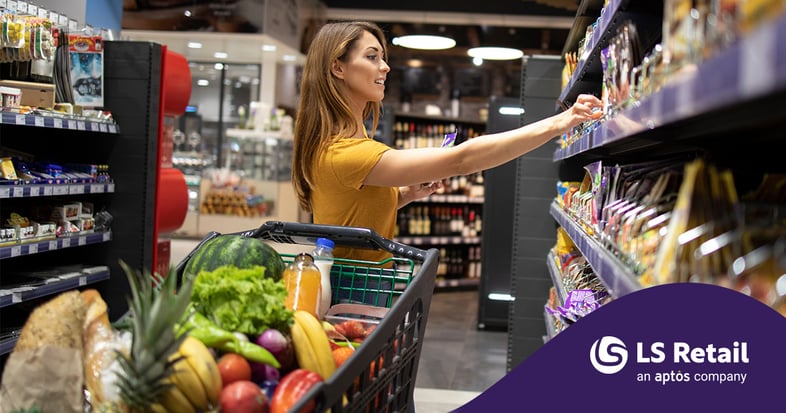
It’s no secret that eCommerce has grown rapidly in recent years. But despite the headlines, physical retail still dominates. In the U.S., brick-and-mortar stores account for nearly 80% of total retail sales, according to the U.S. Census Bureau. That means even with the rise of online shopping, the in-store experience remains a crucial part of the retail ecosystem.
Retailers who combine online and offline channels effectively don’t just survive, they thrive. Here’s why your physical store is still one of your most valuable assets.
1. Click & collect drives additional sales
Buy Online, Pick Up In-Store (BOPIS) and curbside pickup are no longer just conveniences—they are strategic revenue drivers. Over 37% of shoppers make an additional purchase when picking up an order in-store, and this figure jumps to 86% during peak shopping seasons according to NRF. Compared to home delivery, pickup is faster, eliminates shipping costs, and increases foot traffic.
By offering in-store pickup, you turn a logistical function into a sales opportunity. The moment a customer steps inside, they’re exposed to promotions, impulse buys, and the hands-on shopping experience that drives additional spending.
2. Physical stores reduce return costs & improve customer satisfaction
Online shopping comes with a major downside: high return rates. While in-store return rates average 8-10%, online purchases see return rates of 20-40%. Why? Because online shoppers often misjudge size, color, or quality. In contrast, physical stores offer the change to see, touch, and test products up close before deciding to purchased, significantly reducing the likelihood they'll be returned.
Even when returns do happen, offering in-store returns for online purchases saves on logistics costs and provides a chance to turn refunds into exchanges or new sales. In fact, 80% of customers prefer returning items to a store over shipping them back, and 62% of shoppers make an additional purchase when returning an item in-store, according to Forrester.
3. Seeing, touching & trying products increases likelihood of purchase
One of the biggest hurdles in online shopping is uncertainty: will the product look, feel, or function as expected? For example, maybe a customer likes the red trainers on your website, but aren't sure how they will wear. Will they be comfortable? Wide or narrow? Is the shade of red more vibrant or toned down? That’s why 58% of consumers still prefer to shop in physical stores, where they can see, touch, and try products before buying, according to a KPMG report. Being able to go to a location and browse an item can help you eliminate customer doubt and close sales.
This is especially crucial in categories like apparel, home decor, beauty, and electronics, where factors like fit, color, or texture influence purchase decisions. Retailers that provide hands-on experiences in-store reduce hesitation, increase sales, and decrease return rates.
4. Personalized service drives customer loyalty & sales
Despite the convenience of online shopping, customers still value human interaction, whether it’s expert advice, tailored recommendations, or just a positive shopping experience. It helps to have knowledgeable staff available to answer questions and support customers in their purchasing decisions, so it's no surprise that 75% of consumers say excellent in-store service makes them more likely to buy.
With technology like AI-assisted clienteling and mobile POS, retailers can elevate service further, giving customers a more personalized and efficient shopping experience. Give them that in-store, and they’ll reward you with their loyalty.
5. Your store is a living market research lab
Understanding what customers want isn’t just about analyzing online data. Watching how customers interact with products in-store provides insights you can’t get from web analytics alone.
For example, when ModCloth opened its first physical store after years online, they discovered small product details customers loved—like dress linings and pockets—that weren’t as obvious from digital sales data. This type of real-world insight can refine product design, optimize inventory, and improve marketing strategies in ways online data alone cannot.
6. A physical store strengthens your brand experience
Retail today is about providing a shopping experience that can't be replicated online. A well-designed store immerses and engages customers' senses through numerous different ways. Brands like Apple, Nike, and Lush use their stores as interactive showcases, reinforcing their identity and engaging customers in a way that builds long-term loyalty.
With digital integrations like AR (Augmented Reality) fitting rooms, interactive displays, and smart mirrors, stores can offer a seamless blend of physical and digital shopping. Phygital retail (a mix of physical and digital) has become the new norm, turning stores into social hubs that keep customers around for longer.
7. Physical stores enhance omnichannel logistics & delivery
Retailers are increasingly turning their stores into fulfillment centers to optimize inventory and speed up delivery. Target, Walmart, and Best Buy have all adopted a ship-from-store strategy, using their locations as mini-distribution hubs to reduce costs and get products to customers faster.
This model isn’t just for big-box retailers. Even small and mid-sized businesses can use store locations to fulfill local orders, offer same-day pickup, and optimize their supply chain, cutting costs while speeding up customer service.
8. Opening a store boosts online traffic & sales
The impact of a physical store goes beyond its four walls. Studies from the International Council of Shopping Centers show that when a retailer opens a new physical location, their website traffic jumps by 37% in the following quarter.
This halo effect means your store isn’t just driving in-store sales, it’s increasing online brand awareness, generating buzz, and ultimately leading to higher overall revenue. Physical locations fuel online searches, social media mentions, and media coverage, making them a crucial part of a strong omnichannel strategy.
9. Sustainability & community engagement matter more than ever
Today’s consumers are increasingly conscious about sustainability. They want to know where their products come from and how retailers operate. Physical stores offer an opportunity to showcase sustainable practices—like refill stations, local sourcing, or eco-friendly materials—in a way online shops can’t.
Additionally, stores can further engage these kinds of customers by hosting workshops, events, and local collaborations that build deeper relationships. Whether it’s a beauty brand offering skincare classes or a bookstore hosting author readings, community-driven retail fosters loyalty and differentiation.
The future of physical retail is experience-driven
So what does this mean for retailers? Physical stores are stepping into a new role as experience-driven destinations that spark engagement, increase sales, lower operational costs, and build stronger brands. When retailers adapt their business models to meet new expectations, whether that's connecting smart technology with memorable in-store experiences or using locations as fulfillment hubs, they can make their physical stores one of the central pillars of their omnichannel strategy.
If you’re looking for the right tools to enhance your omnichannel experience, we can help. Our unified software solutions seamlessly connect online and offline channels, empowering retailers to deliver exceptional service everywhere. Contact us to know more.