The lobby isn’t the main way guests engage with a hotel anymore. Instead, it might look like a well-timed push notification suggesting a late checkout, a last-minute room upgrade offered via a mobile app, or a staff member at breakfast who offers up packed lunches to a group heading out on a full day excursion.
Today, hotel guest engagement is more fluid than ever; it's digital, physical, personal, and always on. And for hotels that also have additional on-site facilities such as spas, shops and restaurants, this shift presents a valuable opportunity where every touchpoint, whether it's a spa booking, a dinner reservation, or a gift shop purchase, is a chance to learn more about the guest and offer something that actually fits their stay.
Here are six ways to make the most of every interaction with your guests and turn everyday moments into lasting impressions.
1. Be consistent across every channel
Your guests start forming opinions about your brand long before they step into your lobby. It might begin with browsing your website, booking through your app, asking a question on social media, or calling to check availability. Every one of those touchpoints is a chance to make a strong first impression, and every interaction sets the tone for their entire stay.
If your departments and systems don’t talk to each other, guests may get mixed messages. Employees might miss a key detail of their stay – like a room request or a birthday comment – and many times they’ll have to repeat themselves. That’s a quick way to frustrate them and lose their trust.
Put it into action: Make sure you have a centralized hotel software solution that unites customer information across all touchpoints and push updates automatically when a change is made. That way, your customers, and your employees, are always on the same page.
2. Make check-in fast and flexible
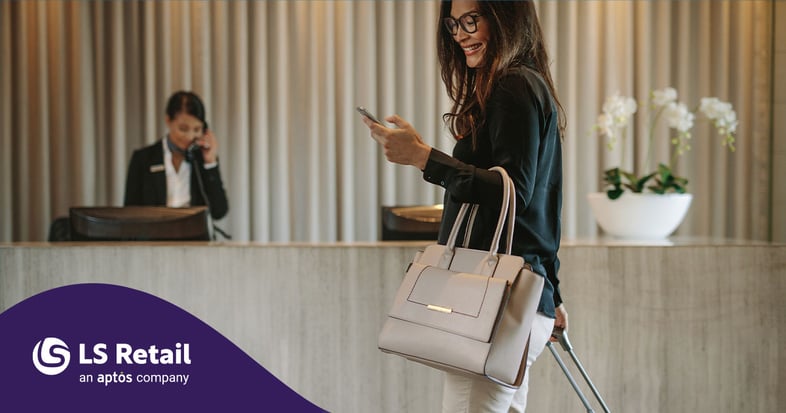
After a long journey — whether it's a cross-country flight or a two-hour drive — no one wants to wait in line at the front desk. Guests arrive tired, with luggage in tow, eager to settle into their room. By offering mobile check-in or self-service kiosks, you're giving them the gift of a faster, smoother arrival. It’s a small change that makes a big difference to their experience.
Meanwhile, your team is freed up to be more present where it counts. With fewer routine check-ins to manage, staff can focus on guests who need extra assistance or those who appreciate a more personal welcome. This shift from transactional to relational interactions creates more meaningful guest connections and opportunities to exceed expectations.
Put it into action: Offer mobile check-in and self-service options that link directly to your hospitality management system. Real-time updates ensure room status, payment info, and guest preferences are always in sync — no extra steps, no miscommunication.
3. Personalize your loyalty rewards
Traditional loyalty programs often rely on points and discounts. These still have plenty of value, yet today’s guests appreciate even more personalized rewards that really show you value them and know who they are. When you tailor gestures to match a guest’s preferences, habits, or milestones, you move from offering generic benefits to creating genuine moments of connection.
Let’s say a frequent guest who always orders a glass of red wine at the bar walks in to find a handwritten note and their favorite vintage waiting in their room. Or a spa-loving traveler receives a complimentary massage during their birthday week, without having to ask. These are the kinds of thoughtful details that make people feel appreciated and remembered.
Put it into action: Tap into your guest history, preferences, and purchase behavior to go beyond standard loyalty models. Use this data to create experiences that reflect who your guests are and what they love, whether it’s a complimentary room upgrade, a custom amenity, or a warm "welcome back" note waiting in their suite.
4. Make it easy for staff to help
When guests have a question or want to make a booking, they expect a quick and accurate response. And in today’s world of instant everything, waiting on hold or being passed from one department to another can quickly sour their experience.
The problem is that many hotels still operate with disconnected systems. One team handles dining reservations, another manages spa bookings, and yet another oversees rooms. So, when a guest asks a simple question like, "Can I move my massage to 3 p.m. and still make my dinner at 5?"— staff scramble to piece together the answer. That’s time lost for your team, and patience lost for your guests.
Put it into action: Equip your team with a real-time view of all reservations and services, from dining and spa to activities and room bookings, and even retail items. It helps them answer questions confidently and serve guests faster without having to switch between systems or chase down other departments.
5. Use AI to anticipate guest needs
Agentic AI is starting to change what's possible in hospitality. It can spot booking trends, predict what a guest wants before they ask, and take repetitive tasks off your staff's plate, freeing them up to focus on the guest in front of them.
With access to real-time, accurate data, AI agents can flag the right add-on at the right moment: an invitation to the chef's tasting menu for a returning guest, or a family package with kids' activities, poolside snacks, and early check-in. The offer lands because it's based on what the guest actually wants, not a generic upsell.
Put it into action: Start with a unified data foundation. Without one, AI has nothing reliable to work from, and every "smart" suggestion becomes a guess. Once your guest data lives in one place, start simple: use AI to analyze guest history and send personalized offers based on real behavior and preferences, then scale from there.
6. Connect the full guest experience
Guests don’t think in silos. For them, a stay isn’t just a room, a spa visit, or a dinner — it’s one, continuous experience. From the moment they arrive to the last goodbye, they expect every detail to flow smoothly and effortlessly, creating a sense of comfort and care.
When your systems are fully connected, managing everything in one environment, you break down those barriers. You get a 360-degree view of each guest’s journey, like what they’ve booked, what they’ve enjoyed, and what they might want next. This unified approach doesn’t just simplify operations; it empowers your team to create moments that feel memorable, for all the right reasons!
Put it into action: Look for a modular hospitality platform that delivers specialized industry benefits across your hotel, restaurant, retail, spa and event operations. This enables you to manage every part of your business in a standardized way, across properties, departments, and teams, while keeping operations aligned throughout the organization.
Strengthening the guest journey at every step
The most memorable stays aren’t always about luxury. They’re about timing, relevance, and convenience.
That could mean offering a late checkout before the guest even thinks to ask. Having their room service preferences already noted. Or making sure the front desk knows they’ve booked a spa treatment and can suggest the best time to grab lunch. To do all that, you need a single source of truth that powers every touchpoint, from booking to checkout and beyond.
That’s what LS Central for hotels delivers. It provides you with a real-time view of your operations and your guests from one database, so you can empower your teams to make smarter decisions and drive your business forward.
If you’re ready to move from disconnected hotel operations and start designing truly unified experiences that enhance guest engagement, we’re here to help. Contact us.