
Skip to content
microsoft-white-logo
background image
On-demand webinar · 38 minutes · No registration required

How store operations shape the grocery shopping experience

Better grocery shopping starts with consistent pricing, accurate stock information and tools that help staff serve customers.

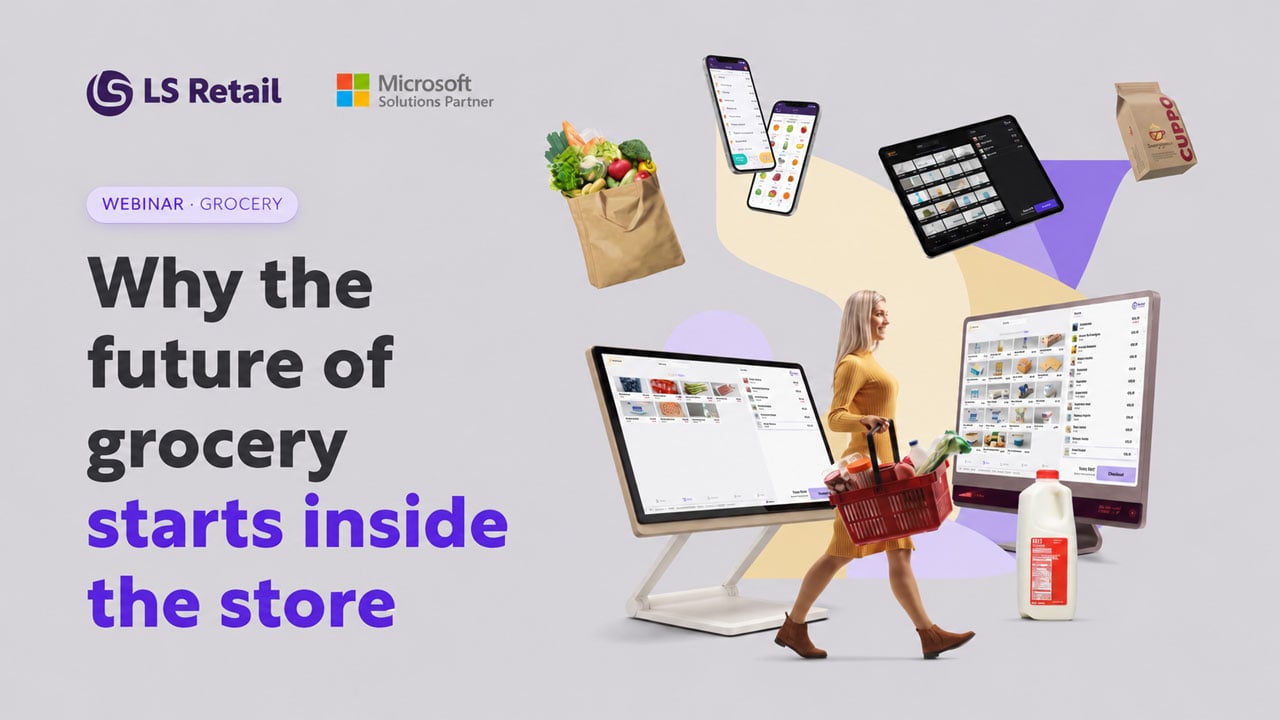
Watch Capri Brixey from The Partnering Group and Sigurður Ari Sigurjónsson from LS Retail discuss how to connect store operations with shoppers’ needs.
LS-Retail-Grocery-Webinar-Thumbnail 1

What you’ll learn:

  • Get the basics right: Why reliable product, pricing and inventory data should come before your next technology investment.
  • Give shoppers more choice: How mobile self-scanning and different checkout options can support different shopping needs.
  • Reduce manual work for store teams: Where mobile tools, electronic shelf labels and AI assistance can help employees spend more time serving customers.
  • Choose investments with a clear purpose: How understanding your customers and measuring operational improvements can guide technology decisions.

The audience Q&A also covers where mid-sized grocers should start with a limited IT budget, maintaining consistency as the business grows, and protecting shopper trust when personalizing the experience.

Meet the speakers

Capri Brixey
Partner, The Partnering Group

Sigurður Ari Sigurjónsson
VP Strategic Accounts & Business Development, LS Retail

Want to know more about LS Retail software solutions?

Frequent questions about grocery technology and store operations

Which data problems should a grocery chain fix before choosing new POS software?

Look for duplicate product records, prices that differ between the till and the webshop, and stock figures that don’t match what stores count. Find out why those differences occur before moving the data to a new system. If stores enter the same price change by hand in two places, for example, ask vendors to show how a single update would reach both.

What should a grocery chain invest in first when its IT budget is limited?

Put the first phase of your budget toward the problem that causes the most rework or errors. If staff spend hours correcting stock records, start by improving how stores record stock movements. Add capabilities in stages, and ask vendors to show what would need to change in the initial setup when you add a store or introduce self-checkout.

How can a grocery chain keep prices and promotions consistent across stores and online?

Manage prices and promotions centrally and specify which stores, regions and channels each offer applies to. Before rollout, check that a price change and a promotion appear correctly at the till and at online checkout. In LS Central, head office can set prices and offers by store or region. A webshop connected through eCommerce for LS Central can draw its prices from the same system.

How can grocers reduce unavailable items in click and collect orders?

Show shoppers what’s available at the store where they’ll pick up their order. Check how your webshop handles stock already committed to other orders, and look into products that staff regularly have to substitute. When a substitution is needed, give pickers clear rules on what they can replace and how to handle preferences such as the ripeness of fresh produce.

How should a grocery chain choose between staffed tills, self-checkout and mobile self-scanning?

Start with how people shop in each store. Keep staffed tills for shoppers who want help, and trial self-checkout where many customers make quick trips for a few items. Plan for staff to step in when a shopper needs help at self-checkout. Mobile self-scanning, like ScanPayGo, is another option to try where shoppers would benefit from packing as they go and keeping track of their total. Test the mix in different store formats or regions before a wider rollout. Compare how many shoppers use each option and what happens to queues, staff interventions and stock losses.

Where can grocery store technology free up staff time?

Look at tasks that take staff away from the shop floor, such as going to a back-office computer to enter stock counts or record a delivery. With LS Central, staff can record counts, receive deliveries and pick orders on a handheld device where they do the work. If that frees up time, decide where it would be most useful, such as helping shoppers during the busiest hours.

How do grocers calculate payback for electronic shelf labels or inventory tools?
Compare similar periods before and after rollout. For electronic shelf labels, track time spent changing tags and the cost of correcting pricing errors. For inventory tools, track stock-handling time and any stockout or overstock costs you can measure reliably. Subtract monthly running costs from the monthly cash savings you expect to realize. If the net saving is positive and reasonably stable, divide the upfront cost by that amount to estimate simple payback in months. Track hours freed for other work separately from savings such as reduced overtime.
How can grocers personalize loyalty offers while protecting shopper trust?

Use purchase history to choose offers shoppers are likely to find useful, such as savings on products they buy regularly. Reports and analytics in LS Central can help grocers identify those buying patterns and decide which offers to run. Explain what data you collect and why, collect only what you need, and make it easy for shoppers to see their data and manage their preferences. Check the privacy and consent requirements that apply in each market.

Don’t get stuck with the wrong ERP and POS system

Don’t get stuck with the wrong ERP and POS system

Discover the 7 factors that, as a grocery and supermarket chain, you must consider before investing in a new ERP and POS system.
Download Today