


Skip to content
microsoft-white-logo
background image

7 factors to evaluate before replacing your nonprofit retail POS (eBook)

Retail software doesn't fix structural problems. It amplifies them, unless you know
what to look for and what to avoid.

how to select nonprofit retail software

Nonprofit retail isn't standard retail

It operates under a unique set of constraints and trade-offs that many retail platforms were not designed to handle.

You have to plan for:

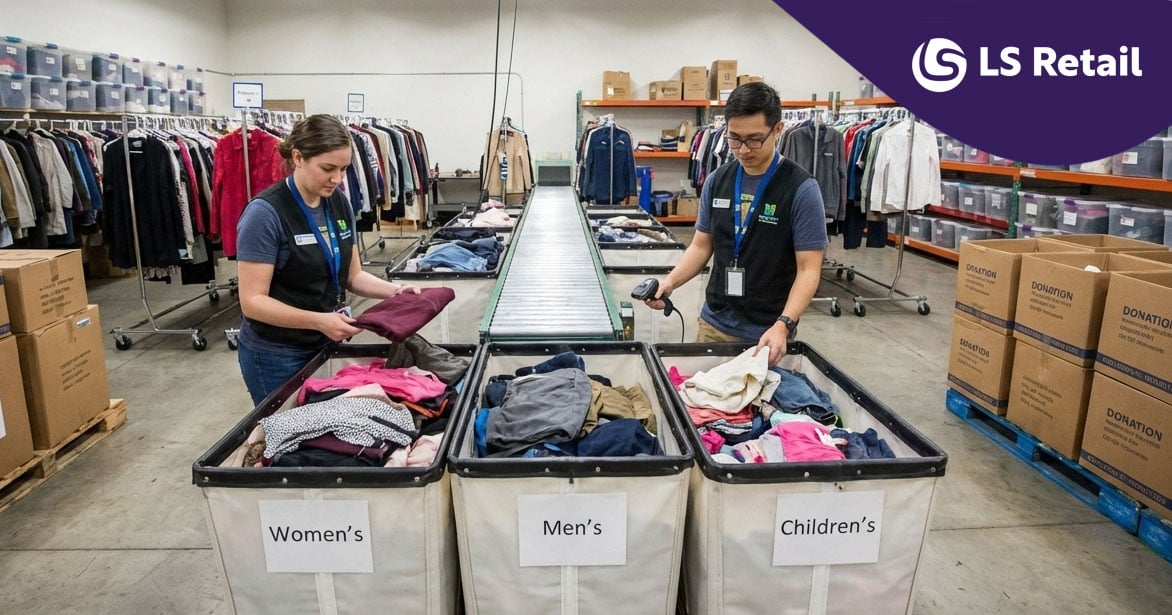
  • One-of-a-kind inventory: A constant flow of donated goods that begin at the donation door, not the warehouse.
  • Undefined margins: Blending donated and purchased stock, often without a clear cost price.
  • High-turnover staffing: Volunteers and part-time teams who depend on the system to make every transaction simple and correct.
  • Compliance at the register: Processing Gift Aid and donor tracking directly at checkout.
  • Split financial reporting: Reconciling the legal separation between charitable parents and trading subsidiaries across multiple locations.

For nonprofit retailers, these aren’t exceptions, they’re everyday realities that define how your operations run.

The real question isn’t if your system can keep up: it’s how well!

That's why choosing the right retail platform starts with asking the right questions. This guide shows you exactly what they are.


Get your free copy now

When the platform doesn't fit

The wrong system doesn't just underperform. It creates new problems.

A software platform that wasn't built for nonprofit retail will eventually show it. Not immediately. The issues appear gradually, as time-consuming workarounds become routine and manual fixes become part of the job. Over time, the impact spreads across the operation:

  • Revenue lost on the floor: If donation intake or item setup is slow, inventory stays in the backroom instead of reaching the sales floor, and revenue disappears. 
  • Compliance risk risk that quietly accumulates: When Gift Aid tracking or revenue allocation relies on manual reconciliation, errors become harder to detect and correct.
  • Mistakes discovered too late: Without system-guided workflows, volunteer errors often surface only during reconciliation, when fixing them is slower and more costly.
  • Decisions made on last week's numbers: If leadership must wait days or weeks for consolidated reports, they are reacting to performance instead of managing it.
Nonprofit retail chains with 30+ locations

Who this guide is for

icon-retail-director
Directors of Retail Operations managing multi-site nonprofit chains

icon-cfo-finance
CFOs and Finance Directors overseeing multi-entity accounting structures

icon-executive-team
Executive teams where retail revenue is central to the mission

icon-it-operations
IT and Operations leads evaluating platforms for a multi-site rollout

Already know what's not working?

Schedule a 30-minute call with our specialists to explore your business needs. This is a practical session to identify your system requirements and see if LS Central provides the foundation your nonprofit retail chain needs to grow.

Featured insights